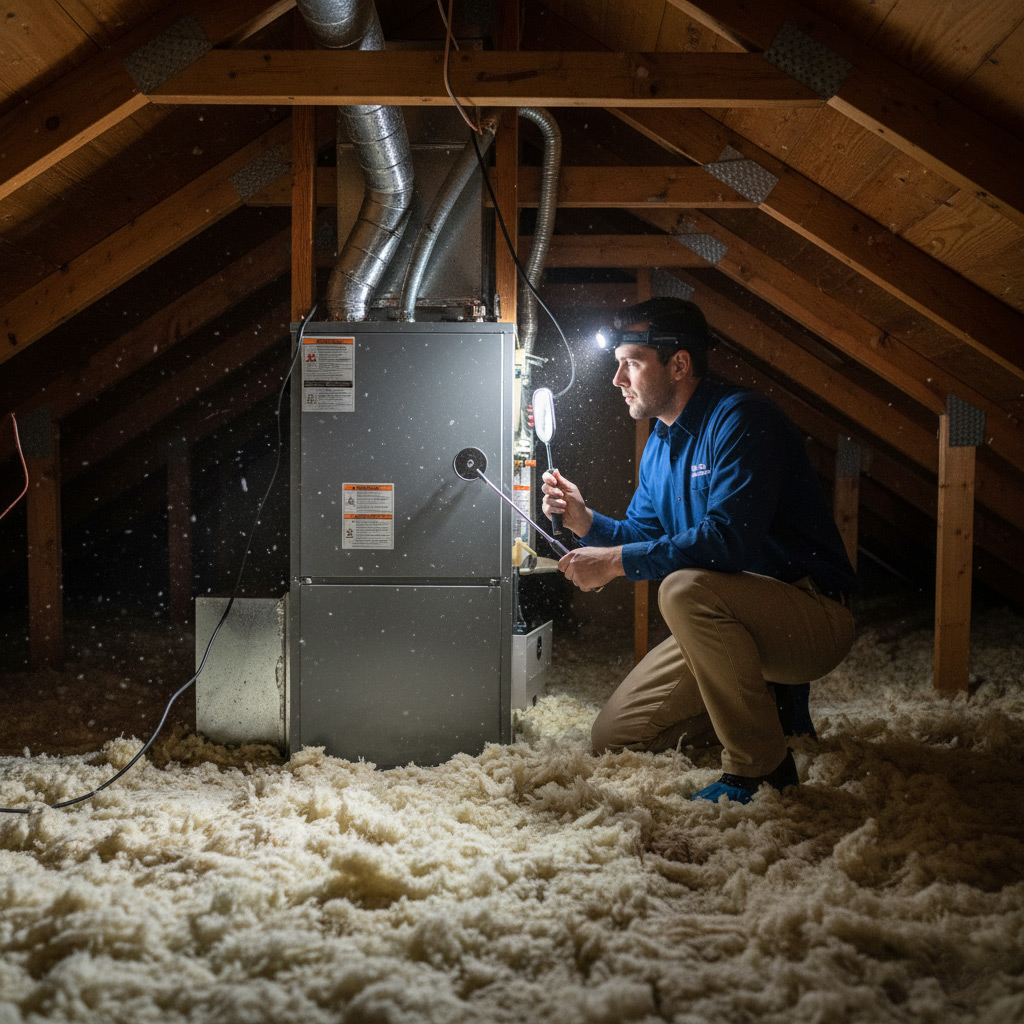
Your heat pump is the silent workhorse keeping Grand Rapids homes cozy in winter and cool in summer - until it starts acting like a stubborn teenager.
If you’re hearing clunks, watching the thermostat swing wildly, or seeing your electric bill climb like a roller‑coaster, those are red flags that the unit is past its prime.
Knowing when to pull the plug and invest in a new system can save you from a costly breakdown in the middle of a polar vortex, so let’s break down the tell‑tale signs and the best time to make the switch. Stick around, and we’ll walk you through the checklist that every Grand Rapids homeowner should follow.

Understanding the Typical Lifespan of Heat Pumps in Grand Rapids
In the Grand Rapids climate, a well‑installed heat pump usually clocks out after 10 to 15 years. That range isn’t a guess; it’s what local installers see year after year. When the unit hits the upper end, you’ll start noticing slower response times and higher electric bills.
Factors that Influence Longevity
- Installation quality – A sloppy hookup can shave years off the clock.
- Frequency of use – Harsh winters and hot summers make the system work harder.
- Routine maintenance – Skipping the annual tune‑up is a fast track to early failure.
- Water quality – Hard water can corrode coils faster than you think.
Even with perfect care, wear and tear adds up. If your pump is approaching the 12‑year mark, start budgeting for a replacement now rather than scrambling when the next polar vortex hits.
Red Flags: Warning Signs It’s Time to Replace Your Heat Pump
Noise & Vibration
When your heat pump starts sounding like a jackhammer, it’s not just annoying—it’s a symptom of worn‑out components.
Listen for rattles, squeals, or grinding that persist after a short run. Those noises usually mean the motor or fan bearings are on their last legs.
- Clunking* when the compressor kicks on
- Buzzing that won’t quiet down
- Vibrations that travel through the walls
Performance & Bills
If the thermostat is swinging from 68° to 78° in minutes, the system is struggling to keep up.
Watch your electric bill; a sudden 20‑30% jump without a change in usage is a red flag.
- Short cycling – the unit turns on and off too quickly
- Weak airflow from vents
- Inconsistent temperatures between rooms
Reliability & Age
Every repair adds up. When you’re calling a tech every other month, the math stops making sense.
Most heat pumps in Grand Rapids hit the 12‑ to 15‑year mark before they start demanding more attention than they deserve.
- Frequent breaker trips
- Corroded coils or rusted outdoor unit
- Parts that are no longer stocked
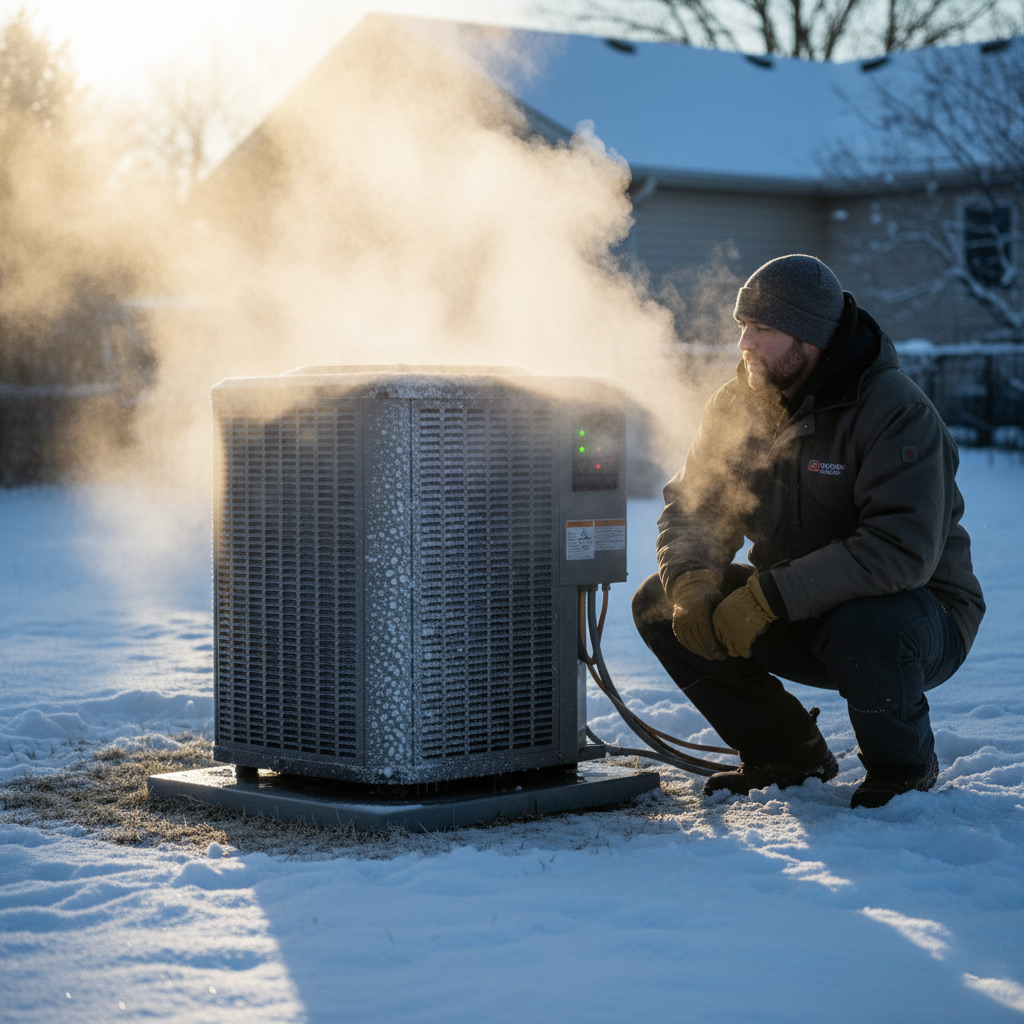
Repair vs. Replacement: Analyzing Costs and Long‑Term Savings
What the numbers really say
One quick repair might set you back $200‑$600. That feels cheap until the same part fails again next winter. A brand‑new heat pump runs $3,500‑$7,000, but it comes with a fresh warranty and modern tech that slashes your electric bill.
Short‑term pain vs. long‑term gain
Think of a repair as a band‑aid. It stops the bleed, but the wound’s still there. Replacing the unit is a full‑scale surgery – you pay more now, but you eliminate recurring service calls and avoid surprise breakdowns during a polar vortex.
- Repair: Lower upfront cost, higher chance of repeat visits.
- Replacement: Higher upfront cost, lower operating expense, 10‑year warranty.
- Energy savings: New units can be 15‑30% more efficient, translating to $200‑$500 annual savings.
Run the math: a $5,000 replacement saves $300 a year on electricity. In five years you’ve recouped the price difference and still have a decade of reliable heat. That’s the kind of ROI that makes a homeowner sleep better at night.
Energy Efficiency, Rebates, and Incentives Available in Michigan
Why Efficiency Matters
Modern heat pumps boast SEER and HSPF ratings that can slash your utility bill by 30 % or more. Higher efficiency means less wear and tear, so the unit lasts longer while keeping your home comfortable.
When you choose a high‑efficiency model, you also unlock a suite of savings that go beyond the monthly bill:
- Reduced carbon footprint – good for the planet and your conscience.
- Lower operating costs – the thermostat stays steady, your wallet stays full.
- Potential eligibility for state and local incentives.
Money‑Back Programs
Michigan’s “Michigan Saves” initiative offers up to $1,500 off qualifying heat pump upgrades. The rebate is paid after installation, so you don’t need cash up front.
Utility companies in Grand Rapids also throw in their own perks:
- Grand Rapids Power & Light: $500 rebate for ENERGY STAR‑rated units.
- West Michigan Energy: $300 credit toward smart thermostats paired with a new pump.
- Seasonal promotions – keep an eye on holiday specials for extra cash back.
Getting the Credit
Federal tax credits still apply to qualifying heat pumps through 2025. You can claim up to 30 % of the equipment cost on your tax return.
To make the process painless, follow these steps:
- Ask your installer for the proper paperwork – they’ll provide the IRS Form 5695.
- Keep receipts and the ENERGY STAR certification handy.
- File the credit with your 2026 tax return and watch the refund roll in.
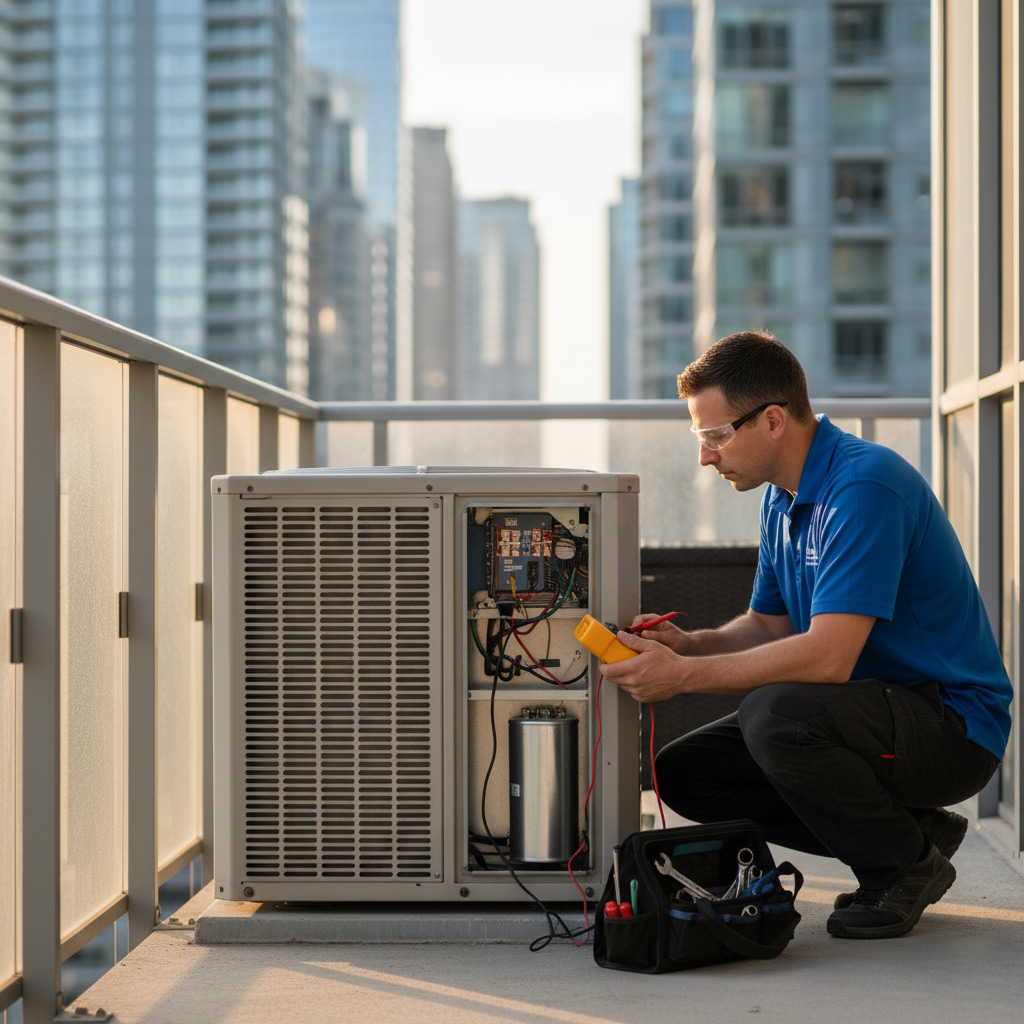
Selecting the Right Replacement: Sizing, Technology, and Features
Get the Size Right
Too big and you’ll waste power; too small and you’ll be begging for heat. A qualified technician will run a Manual J calculation—think of it as a fitness test for your home.
Key factors include:
- Square footage of the conditioned space
- Insulation levels and window quality
- Local climate swings (Grand Rapids can be brutal)
When the numbers line up, you’ll see a unit that runs steady, not frantic.
Pick the Tech That Fits
Modern heat pumps come in three flavors: air‑source, ductless mini‑split, and hybrid electric. Each has a sweet spot.
Air‑source handles most Grand Rapids homes; ductless shines in additions or basements; hybrid pairs a furnace for those bone‑chilling nights.
Ask yourself: Do you need a system that can juggle both heating and cooling with a single outdoor unit? If yes, go for a variable‑speed model that adjusts on the fly.
Features That Pay Off
Don’t get dazzled by every gadget on the showroom floor. Focus on what actually saves you money.
- Smart thermostats – they learn your schedule and cut waste.
- Two‑stage compressors – quieter operation and tighter temperature control.
- Enhanced de‑humidification – keeps the summer air comfortable without cranking the fan.
Pick the extras that match your lifestyle, not the ones that look cool on a brochure. That’s how you turn a replacement into an investment.
Case Study: A Grand Rapids Homeowner’s Seamless Heat Pump Replacement Experience
When Mark and Lisa Johnson noticed their electric bill spiking in December, they knew something was off. Their 12‑year‑old heat pump was coughing, and the thermostat was doing a jittery dance. They called us before the first snow hit.
The Situation
Our techs arrived and found three red flags:
- Frequent short‑cycling that left rooms uneven.
- Rusty copper coils that reduced airflow.
- An aging compressor that was losing efficiency.
Mark was ready to spend $1,200 on a quick fix, but we showed him the bigger picture.
The Solution
We recommended a full replacement with a 3‑ton, variable‑speed unit that matches the home’s square footage. The plan unfolded in three steps:
- Accurate load calculation using Manual J to avoid oversizing.
- Removal of the old system and disposal according to local regulations.
- Professional installation, followed by a 30‑day performance check.
The whole job took just one day, and the Johnsons were back to their routine by evening.
The Result
Within two weeks, the new heat pump cut their heating costs by 28%.
- Consistent indoor temperature, no more hot‑cold spots.
- Quiet operation—no more clunks or rattles.
- Eligibility for a Michigan energy rebate, saving them an extra $500.
Mark now tells neighbors, “If you’re on the fence, replace it now. The peace of mind is worth every penny.”
Final Words
Don’t wait for the next freeze to discover your heat pump has given up. A quick check‑in with a qualified tech every spring and fall can spot wear before it turns into a full‑blown outage. Proactive maintenance keeps comfort steady and your wallet happy.
Take Action Today
- Schedule a seasonal inspection before the heating season kicks in.
- Ask about financing plans that spread the cost of a new unit over 12‑36 months.
- Check the Heat Pump Repair page for local rebates and tax credits.
When the time comes to replace, choose a system that matches your home’s size, climate, and budget. The right fit means lower bills, quieter operation, and years of trouble‑free performance—no more guessing when the next breakdown will hit.
People Also Ask
How long does a heat pump typically last in Grand Rapids, MI?
A heat pump in Grand Rapids usually lasts 10‑15 years, depending on usage, maintenance, and local climate conditions. Proper annual servicing can extend its lifespan toward the upper end of that range.What are the most common signs that my heat pump needs replacement?
Frequent breakdowns, rising energy bills, uneven heating or cooling, and excessive noise are strong indicators. If the unit is over 12 years old and repairs are becoming regular, replacement is often more cost‑effective.Is it cheaper to repair my heat pump or replace it?
If repair costs exceed 50% of the price of a new, energy‑efficient model, replacement usually offers better long‑term savings. New units also qualify for rebates that can offset the upfront expense.Are there Michigan rebates or incentives for installing a new heat pump?
Yes, Michigan offers state and utility rebates for high‑efficiency heat pumps, plus federal tax credits for qualifying models. Check with local utilities and the Michigan Saves program for the latest offers.What size heat pump should I choose for my Grand Rapids home?
A proper load calculation considering square footage, insulation, and climate is essential to select the right size. Oversized units waste energy, while undersized units struggle to maintain comfort.
Grand Rapids HVAC has served the Grand Rapids community for over 15 years, delivering reliable heating and cooling solutions. Their team of certified technicians combines local knowledge with industry expertise to ensure comfortable indoor environments year‑round. Committed to responsive service and transparent pricing, they prioritize the comfort and safety of their neighbors.
Need HVAC?
We deliver rapid, results‑focused services to homes and businesses throughout Grand Rapids, MI (49503, 49504, 49507, 49512, 49534) and neighboring areas, ensuring projects are completed on schedule and to specification. Our streamlined process keeps downtime low and outcomes high.
Get HVAC Estimate