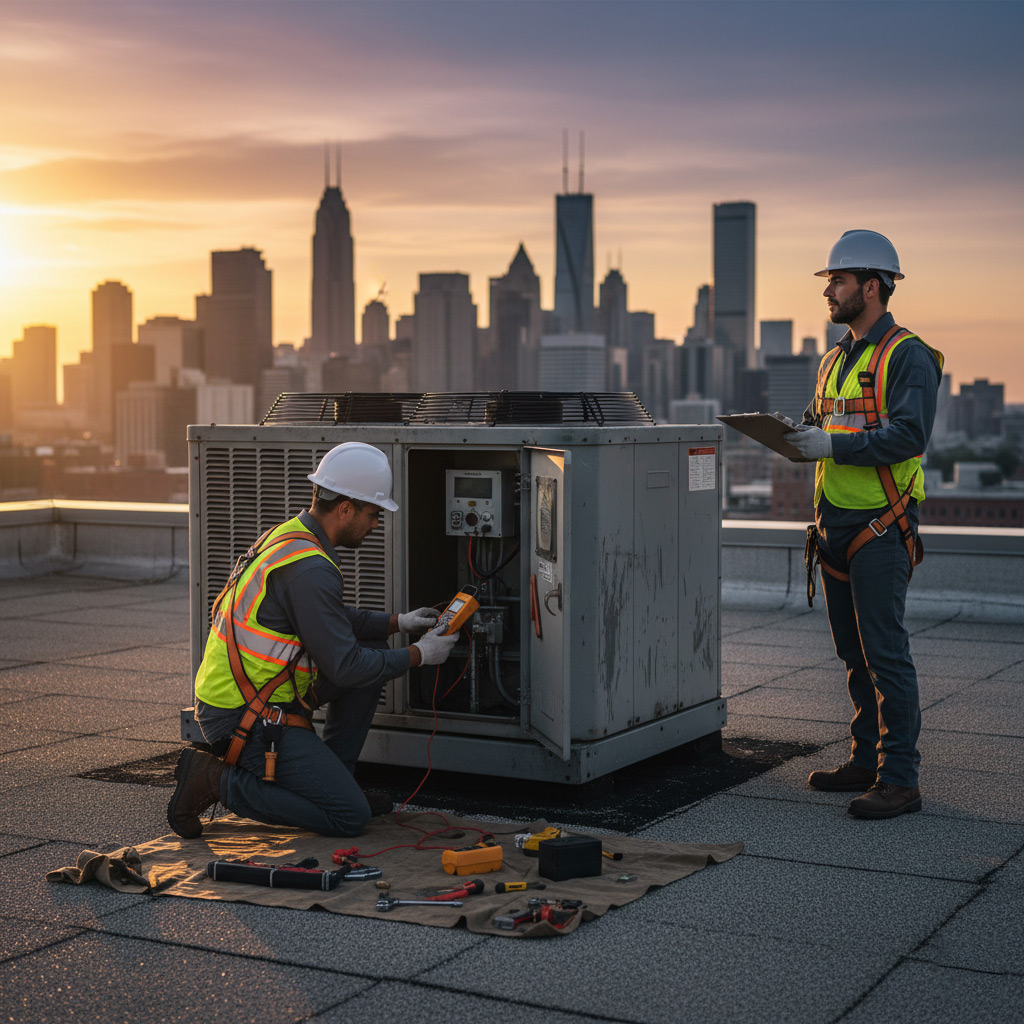
Picture this: it’s a bitter Grand Rapids night, the wind howls, and your furnace decides to take a vacation. You’re left shivering, and the heating bill spikes faster than a summer heat wave.
That nightmare doesn’t have to be your reality. A solid maintenance routine keeps your system humming, saves you cash, and stops surprise breakdowns before they ruin your comfort.
We’ve boiled down every step you need to keep your HVAC in top shape, from filter swaps to coil checks, so you can sleep easy knowing the system won’t quit on you. Ready to see the checklist that will keep your home climate‑controlled all year long?
Seasonal Climate Considerations for HVAC Systems in Grand Rapids
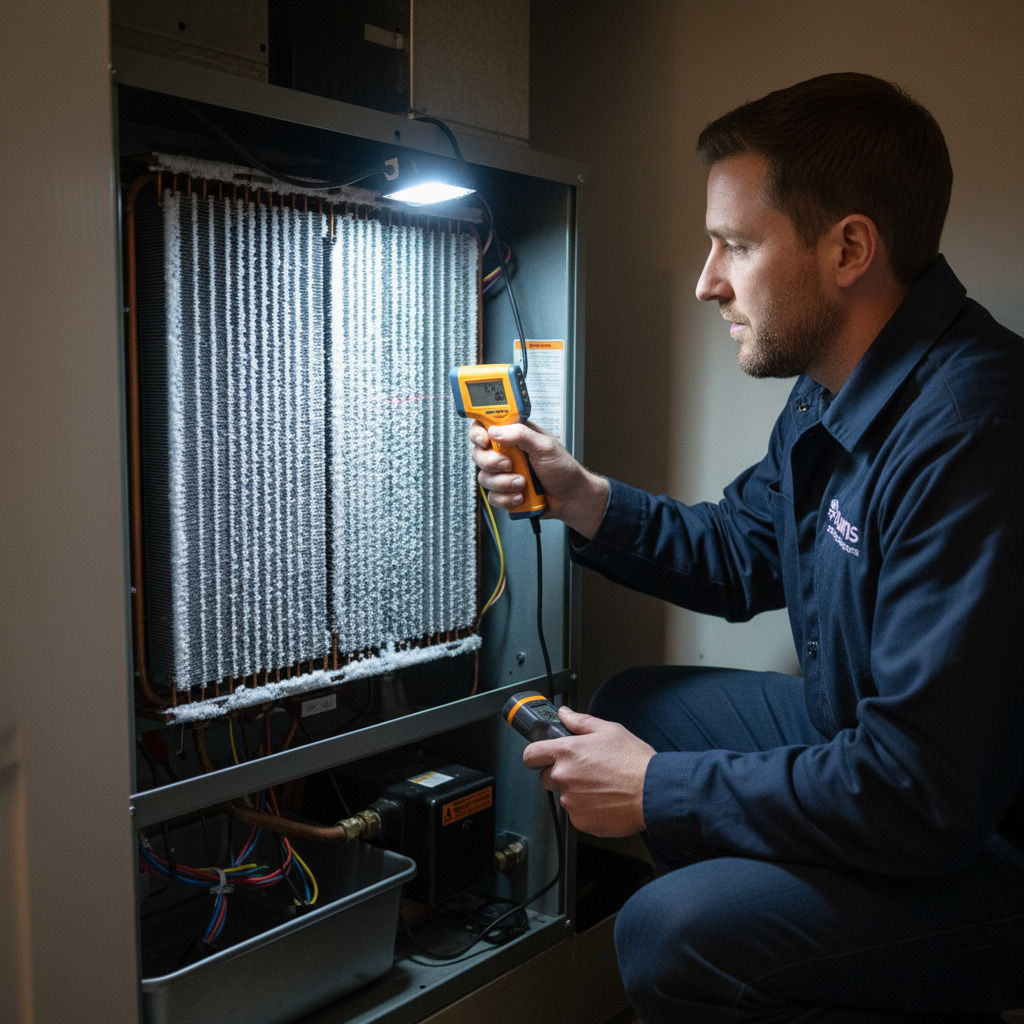
Grand Rapids sits in a zone where summer heat can hit the mid‑90s and winter lows plunge below 20°F. That swing forces your HVAC to work hard twice a year, so you need to know what each season demands. Ignoring the climate’s quirks means higher bills and a system that quits when you need it most.
Spring & Summer: Beat the Humidity
- Check the condenser coils for dust; a clean coil runs up to 15% more efficiently.
- Inspect the refrigerant line for signs of wear—tiny leaks can turn a cool breeze into a sweaty nightmare.
- Set the thermostat to a comfortable 78°F when you’re home; raise it a few degrees when you’re out to save energy.
During the humid months, moisture loves to settle on your outdoor unit. A quick spray with a garden hose can clear debris, but be sure the power is off first. Preventing mold growth now saves you a costly service call later.
Fall & Winter: Prepare for the Freeze
- Swap to a high‑efficiency furnace filter; thicker media catches more dust and keeps the blower clean.
- Seal any gaps around ducts and windows; even a small leak can waste warm air and raise heating costs.
- Schedule a furnace tune‑up before the first frost; a well‑tuned burner burns cleaner and lasts longer.
When the temperature drops, the furnace works overtime. A cracked heat exchanger isn’t just an efficiency issue—it’s a safety hazard. Keep an eye on the pilot light or ignition system, and don’t ignore strange noises. A little attention now keeps the house cozy all winter.
Monthly DIY Inspection and Maintenance Tasks
Filter Check – the quick win
Grab the filter, pull it out, and give it a once‑over. If it looks darker than a coffee stain, replace it or give it a good vacuum. A clean filter keeps airflow strong and your energy bill low.
Coil & Condensate Line – keep it clear
Turn off the power, then wipe the evaporator coil with a soft brush. Look for dust buildup; a light dusting does the trick. Next, locate the condensate drain and pour a cup of bleach‑water to kill any slime that could clog the line.
Thermostat & Controls – sanity check
Set the thermostat a few degrees higher than usual and watch the system kick on. Listen for odd noises and feel for uneven temperature spots in each room. If anything feels off, note it and plan a professional call.
- Inspect visible ductwork for loose connections.
- Check outdoor unit for debris—leaves, twigs, or snow.
- Test the safety switch on the furnace; it should click firmly.
Quarterly Professional Service Checklist
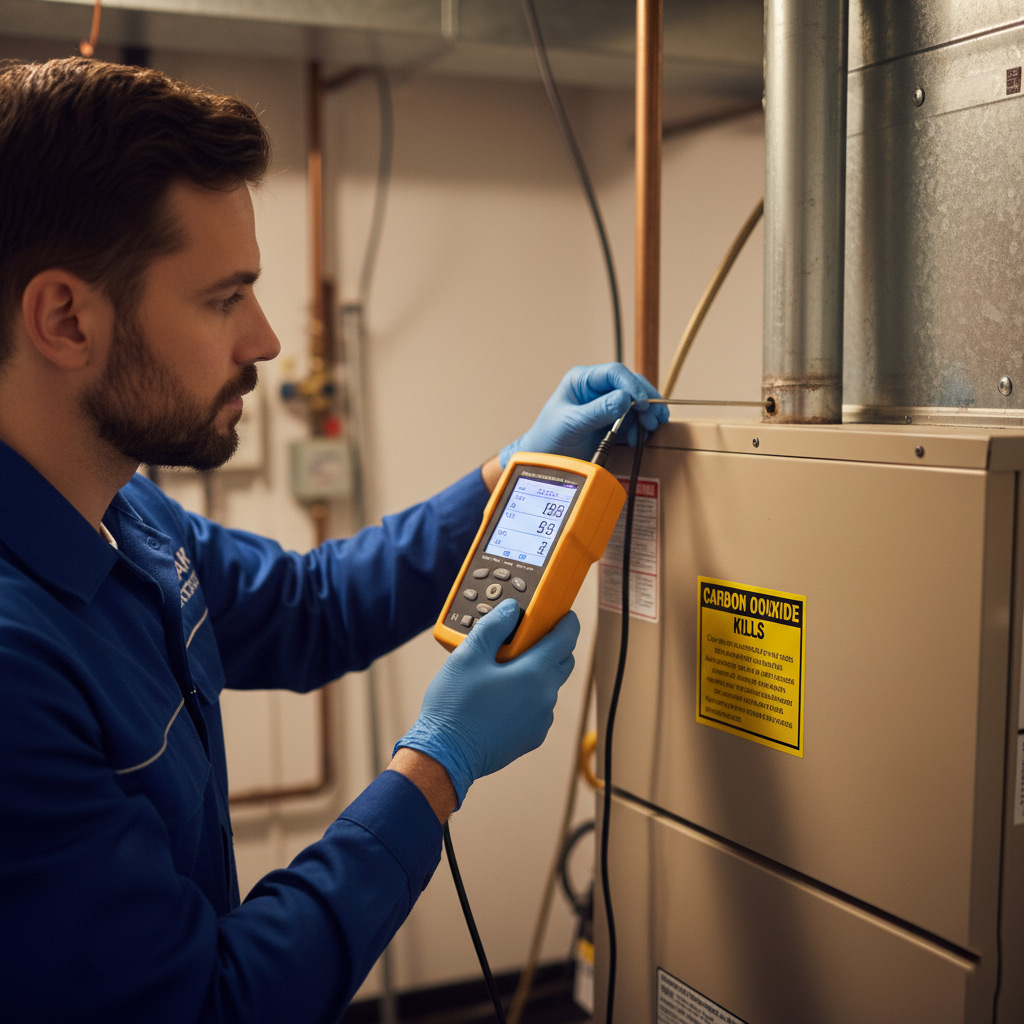
Every three months, a qualified tech should swing by to give your system a thorough once‑over. Skipping this step can turn a minor inefficiency into a costly breakdown when the weather flips. Think of it as a health check that keeps your HVAC humming and your energy bills in check.
What the Technician Does
- Inspect and clean the evaporator and condenser coils to restore optimal heat exchange.
- Check refrigerant levels and look for leaks; low charge means the unit works harder.
- Test the thermostat calibration and replace batteries if needed.
- Lubricate moving parts such as fan motors and bearings to prevent wear.
- Examine ductwork for leaks or blockages that could sap performance.
These actions aren’t just routine—they’re the difference between a system that runs smooth and one that sputters. A clean coil, proper refrigerant, and tight ducts translate to steadier temperatures and lower utility costs.
Key Performance Checks
- Measure airflow at each register; anything below 350 CFM signals a problem.
- Run a combustion analysis on gas furnaces to ensure safe, efficient burning.
- Verify safety controls like limit switches and pressure relief valves are functional.
- Review system pressures and temperatures against manufacturer specs.
When the tech flags any of these items, act fast. A small tweak now can save you from a major repair when the next season hits. Consistent quarterly care is the smartest investment you can make in Grand Rapids’ unpredictable climate.
Winterizing Your HVAC: Critical Steps Before the Cold Season
When the temperature drops, a well‑prepped system is the difference between cozy evenings and frantic calls to a technician. Start with the basics—clean the furnace blower, replace the filter, and verify the thermostat is set to “heat” mode. A quick visual check now saves you from a shivering night later.
Seal the Deal: Insulation & Ductwork
- Inspect attic and crawl‑space insulation; add R‑value where it’s thin.
- Check duct seams for leaks; tape or mastic any gaps.
- Close off any unused vents with magnetic covers to keep warm air where it belongs.
These small tweaks keep the heat where you need it and cut down on the furnace’s workload. Less strain means a longer life for your equipment.
Protect the Outdoor Unit
- Clear snow, leaves, and debris from around the condenser.
- Cover the unit with a breathable HVAC cover—never a plastic sheet.
- Turn off the outdoor breaker for a few minutes to reset the compressor.
Even though the furnace does the heavy lifting in winter, the outdoor components still need love. A clean, uncovered unit breathes easier and starts up without a hiccup when spring rolls around.
Test the Backup & Safety Gear
- Fire up the furnace and listen for odd noises; any rattling warrants a pro’s look.
- Check the carbon monoxide detector; replace batteries if needed.
- Run a quick heat‑up test: set thermostat to 70°F and confirm the blower kicks on within 5 minutes.
These checks are your insurance policy against surprise failures. When everything runs smooth now, you’ll thank yourself when the wind howls outside.
Case Study: Comprehensive HVAC Upgrade for a Historic Grand Rapids Home
Background & Challenges
When the owners of a 1902 Queen Anne‑style house called us, they were battling uneven heating, a noisy furnace, and a thermostat that seemed to have a mind of its own. The original system was a relic—single‑stage gas furnace paired with an aging window unit that barely kept the attic from turning into a sauna.
Preserving the home’s historic charm meant we couldn’t just rip everything out. We needed a solution that blended modern performance with the period‑appropriate aesthetics that the neighborhood cherishes.
The Upgrade Blueprint
Our plan hinged on three core moves:
- Replace the furnace with a high‑efficiency two‑stage unit that modulates output, delivering steady warmth without the “bang‑bang” start‑stop cycle.
- Install a ductless mini‑split system on the second floor, keeping the original woodwork intact while providing precise temperature control.
- Upgrade to a smart thermostat that learns the family’s schedule, yet can be overridden with a classic rotary dial for that vintage feel.
Results & Takeaways
Within weeks, the house saw a 30% drop in energy bills and the furnace noise vanished. The mini‑split’s discreet indoor units blend into the crown molding, proving that performance doesn’t have to sacrifice style.
Homeowners reported a noticeable improvement in comfort—no more cold spots in the library, and the attic stayed comfortably cool during summer. The project shows that even a century‑old home can enjoy today’s HVAC tech without losing its soul.
Common Troubleshooting Scenarios and When to Call a Technician
1. No Heat or Cool
First, check the thermostat settings—make sure it’s on the right mode and the temperature is set higher (or lower) than the current room temp. If the fan spins but no air feels warm or cold, the filter might be clogged; a quick swap can sometimes restore flow.
When the unit stays silent, it’s likely a power issue. Verify the breaker hasn’t tripped and that the outdoor disconnect switch is on. If everything looks good and the system still won’t start, it’s time to call a pro—there could be a faulty capacitor or control board.
2. Strange Noises
Squealing or grinding often points to a worn belt or motor bearing. Turn off the system, remove the access panel, and listen for metal‑on‑metal contact. Rattles can be loose panels or debris in the blower.
If the noise persists after tightening screws or cleaning the fan, don’t keep fiddling. A professional can diagnose motor wear before it turns into a costly failure.
3. Uneven Temperatures or Short Cycling
Uneven rooms usually mean duct leaks or blocked vents. Walk through the house, close all registers, then open them one at a time to see where the airflow drops.
Short cycling—system turning on and off every few minutes—often signals an oversized unit or a refrigerant problem. Call a technician if you notice this pattern for more than a day; they’ll check pressure levels and adjust the thermostat calibration.
4. Water Leaks or Excess Moisture
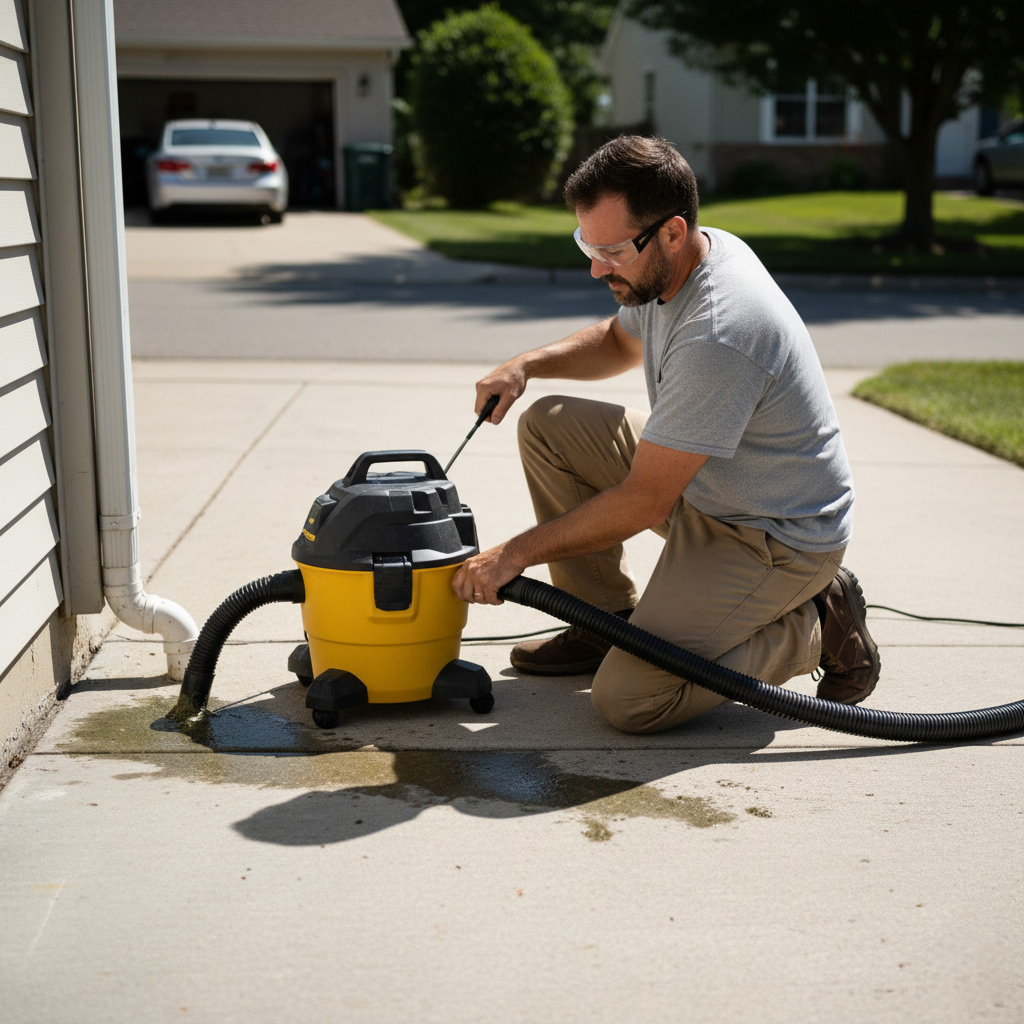
Condensate drain clogs are the usual suspects. Locate the drain line near the indoor coil and pour a cup of bleach‑water to clear any blockage.
If water pools around the furnace or AC unit after clearing the line, the issue could be a cracked heat exchanger or a failing pump. That’s a red flag—schedule a service visit immediately.
Final Words
You've got the roadmap, now it's time to put it into motion. A well‑tuned system isn’t a luxury—it’s the backbone of comfort in Grand Rapids. Skip the excuses, grab a checklist, and start ticking boxes. When you treat your HVAC like a prized asset, you’ll dodge costly breakdowns and keep the indoor climate just the way you like it.
Quick Wins Before You Walk Away
- Swap out the furnace filter every 30 days during peak season.
- Schedule a professional tune‑up before the first frost hits.
- Inspect outdoor units for debris after each heavy rain.
- Set your thermostat to a consistent night‑time temperature.
Remember, the difference between a smooth‑running system and a frantic repair call is often a few minutes of attention each month. If you ever feel stuck, the pros at HVAC Maintenance are just a phone call away—ready to jump in before a small glitch becomes a big headache.
People Also Ask
What HVAC maintenance tasks should be done each month in Grand Rapids?
Check and replace air filters, inspect thermostat settings, and clear debris from outdoor units. Also, verify that vents are unobstructed and listen for unusual noises.How often should a professional HVAC service be scheduled in Grand Rapids?
A qualified technician should perform a comprehensive service at least once every quarter. This includes coil cleaning, refrigerant level checks, and system performance testing.Why is winterizing my HVAC system important in Grand Rapids?
Winterizing protects the furnace and heat pump from freezing temperatures, improves efficiency, and reduces the risk of costly breakdowns. It also ensures safe operation of carbon monoxide-producing equipment.When should I upgrade an older HVAC system in a historic Grand Rapids home?
Consider an upgrade if the system is over 15 years old, shows frequent failures, or cannot meet modern energy standards. Preservation guidelines often allow discreet installations that maintain the home’s historic character.What are common signs that I need to call an HVAC technician?
Reduced airflow, strange noises, inconsistent temperatures, or a sudden spike in energy bills are red flags. If troubleshooting steps don’t resolve the issue, professional assistance is recommended.
Grand Rapids HVAC brings over 20 years of experience delivering reliable heating and cooling solutions to homes and businesses throughout Grand Rapids, MI. Their team of certified technicians combines local knowledge with industry‑leading practices to ensure comfort and efficiency year‑round.
Need HVAC?
We deliver rapid, results‑focused services to homes and businesses throughout Grand Rapids, MI (49503, 49504, 49507, 49512, 49534) and neighboring areas, ensuring projects are completed on schedule and to specification. Our streamlined process keeps downtime low and outcomes high.
Get HVAC Estimate