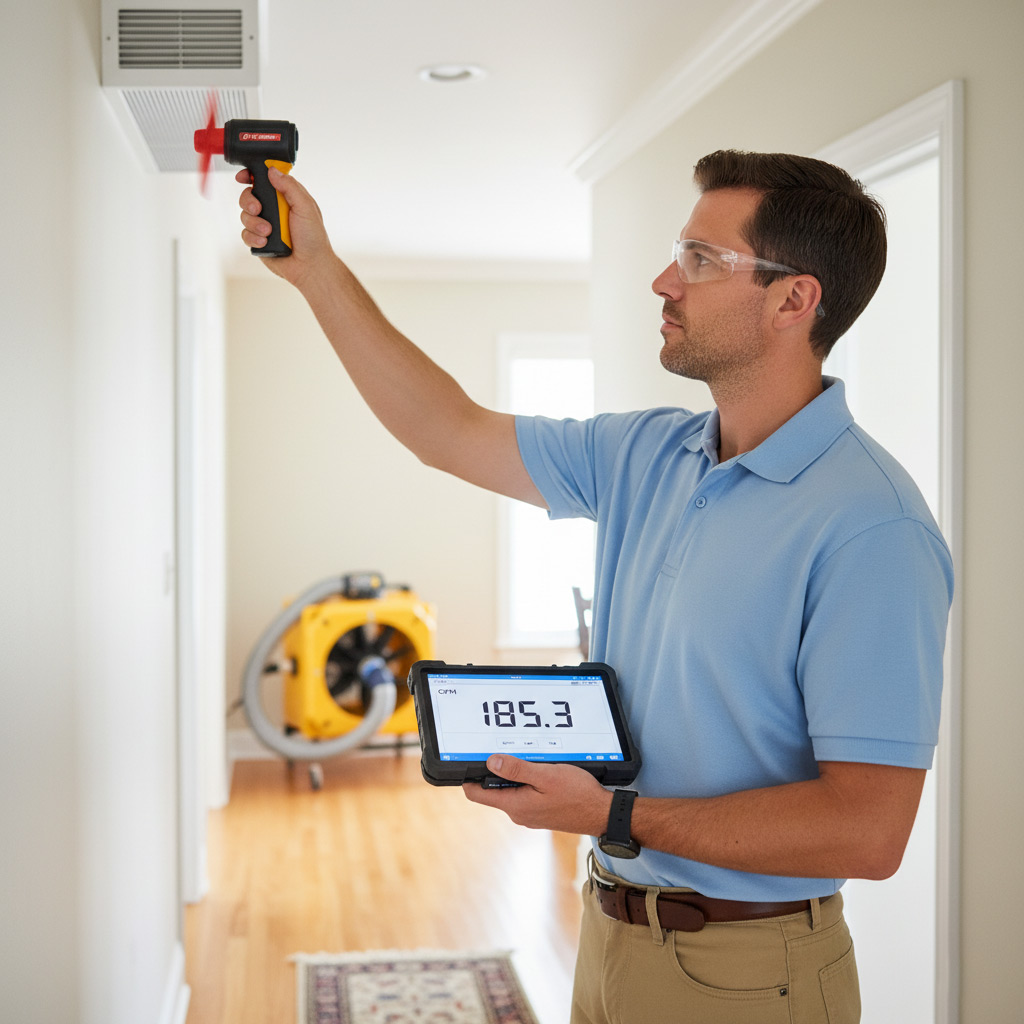
Picture this: the thermostat flashes “78°” while the house feels like a sauna, and you’re stuck sweating through a Grand Rapids summer because the old unit finally threw in the towel.
That’s the moment most homeowners realize it’s time for a swap—creaking ducts, sky‑high bills, and that weird rattling noise that never seems to stop. Ignoring it only means more money down the drain and comfort slipping further away.
What if you could cut through the guesswork with a clear, no‑fluff roadmap that takes you from the first inspection to the day the new system hums perfectly? Keep reading and you’ll see exactly how to make the whole process feel like a breeze.
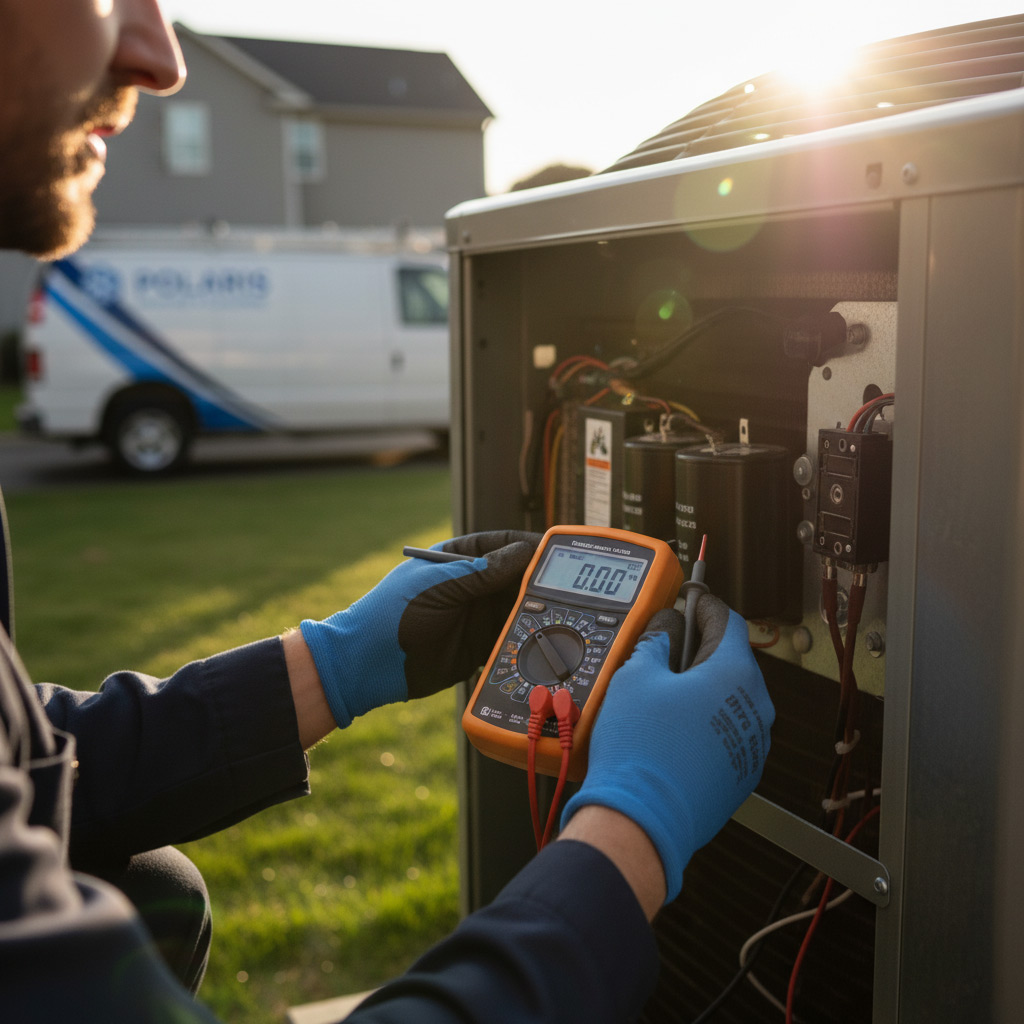
Assessing Your Current HVAC System: Key Indicators It’s Time for Replacement
When your thermostat is stuck at 78° but the house feels like a sauna, that’s a red flag louder than any alarm. The old unit may still be running, but it’s working harder than a marathon runner on a hill. If you’re watching the utility bill climb faster than a summer heat wave, it’s time to take a closer look.
Energy Bills That Won’t Quit
- Sudden spikes in monthly costs, even when you haven’t changed your usage habits.
- Inconsistent heating or cooling that forces you to crank the thermostat up or down.
- Older units (15+ years) typically lose efficiency by 20‑30%.
Comfort Gaps & Noise
- Cold spots in one corner of the house while the rest stays warm.
- Rattling, grinding, or whistling sounds that never seem to stop.
- Frequent short‑cycling – the system turns on and off every few minutes.
Selecting the Ideal HVAC Solution for Grand Rapids’ Climate and Your Home’s Needs
Climate‑Specific Choices
Grand Rapids swings from sub‑zero winters to humid 90‑degree summers, so you need a system that handles both heat and cooling without breaking a sweat. A heat‑pump with a high SEER rating (≥16) will keep the house comfortable year‑round while sipping electricity, whereas a traditional furnace paired with an AC unit may be cheaper up‑front but costs more in the long run.
Don’t forget the HSPF number—think of it as the heating side’s SEER. The higher the figure, the less fuel you’ll burn when the temperature drops below freezing.
- Cold‑weather focus: 95%+ AFUE gas furnace or a cold‑climate heat pump.
- Summer focus: SEER 16+ air conditioner or variable‑speed heat pump.
- All‑season efficiency: Dual‑fuel system (gas furnace + heat‑pump) for ultimate flexibility.
Home‑Specific Factors
Every house is a different beast. Square footage, ceiling height, and insulation quality dictate the tonnage you’ll need. Oversizing a unit is a fast track to short‑cycling, higher bills, and premature wear.
Take a hard look at your ductwork. Leaky or undersized ducts can steal up to 30% of your system’s output. If the ducts are in bad shape, consider a duct‑sealed upgrade or a duct‑less mini‑split for rooms that are hard to reach.
- Size matters: 1 ton per 400‑600 sq ft is a good rule of thumb.
- Insulation check: R‑value 13+ in walls, R‑30+ in attic.
- Zoning options: Multi‑zone thermostats let you fine‑tune comfort room by room.
Obtaining Accurate Estimates, Comparing Brands, and Exploring Financing Options
Get Multiple, Detailed Quotes
Start by reaching out to at least three reputable Grand Rapids HVAC contractors. Ask each to break down labor, equipment, and any hidden fees so you can see exactly where the dollars go.
When the numbers land in your inbox, compare them side‑by‑side. Look for:
- Itemized labor costs – not a lump sum.
- Warranty length – longer is usually better.
- Included accessories – like smart thermostats or upgraded filters.
Brand Showdown: What Matters
Not all HVAC brands are created equal. Some excel in energy efficiency, others in durability. Your climate in Grand Rapids demands a system that can handle humid summers and icy winters without breaking a sweat.
Use this quick cheat sheet to rank the options:
- SEER rating – higher means lower bills.
- Reliability scores from Consumer Reports.
- Local dealer support – you want a tech who knows the area.
Money Moves: Financing Made Simple
Even the best system can feel pricey. Most installers partner with lenders that offer 0% APR for 12 months or low‑interest plans spread over five years.
Before you sign, verify:
- Any upfront discount for cash payment.
- Whether the financing includes the full installation cost.
- Potential rebates from utility companies for high‑efficiency units.
Preparing Your Property: Ductwork Evaluation, Permits, and Scheduling the Install
Ductwork Evaluation
Before the first wrench turns, a certified tech will walk every vent, register, and hidden crawl space. Leaky or undersized ducts can steal up to 30% of your system’s output, so catching them early saves cash and comfort.
Typical findings include:
- Cracked seams that need foil tape, not duct tape.
- Insufficient insulation in the attic—think frost on the ducts in winter.
- Improper sizing that forces the new unit to work overtime.
Fixes are usually quick, but they’re a must‑have before the new furnace or heat pump gets hooked up.
Permits & Inspections
Grand Rapids requires a mechanical permit for any HVAC replacement. The city’s Building Department checks that the new equipment meets local codes and energy standards.
What you’ll need:
- Proof of contractor licensing (look for the Michigan C-26 badge).
- Product data sheets showing SEER ratings and safety certifications.
- A signed work order that outlines the scope of the job.
Once the install is complete, the inspector swings by, signs off, and you’re officially good to go.
Scheduling the Install
Timing is everything—especially when you’re juggling work, school, and a summer heat wave. Most reputable Grand Rapids firms book a 2‑week window for a full replacement, but you can shave days off by:
- Clearing the work area (move furniture, protect flooring).
- Confirming utility shut‑off times with your electric provider.
- Having a clear path for the delivery truck and equipment.
When the day arrives, the crew will arrive on time, set up a temporary heat source if needed, and get to work—no drama, just a smooth swap.
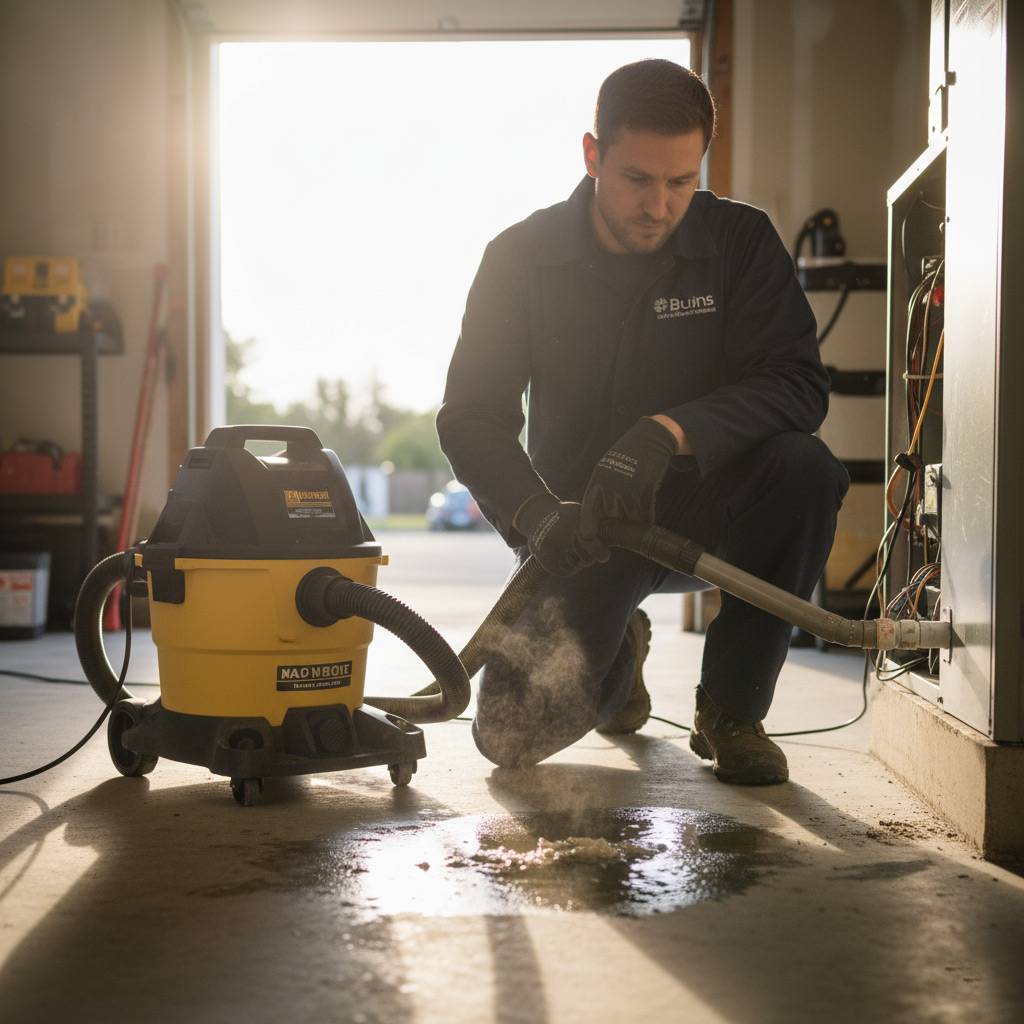
The Installation Journey: Step‑by‑Step Walkthrough of the Replacement Day
When the truck pulls up, the crew does a quick walk‑through. They double‑check clearances, verify the permit sticker, and lock the old unit in place. Within minutes the old furnace is out, and the space is prepped for the new hero.
1. Positioning the New Unit
The new heat pump or furnace is lifted onto the pad with a hoist. Exact placement matters for airflow and future service. Technicians level it, attach the mounting brackets, and secure all bolts.
2. Connecting Ductwork & Refrigerant Lines
Now the real work begins. They splice the duct sections, seal every joint with mastic, and run the refrigerant lines through the wall cavity.
- Check for leaks with a pressure gauge.
- Insulate lines to prevent condensation.
- Attach the condensate drain and verify slope.
3. Electrical Hook‑up & Controls
The electrician runs a dedicated circuit, ties the thermostat wiring, and programs the control board. All connections are tested for voltage and continuity. A quick firmware update ensures the unit runs at peak efficiency.
Finally, the crew powers up the system, runs a full cycle, and measures temperature rise. They walk you through the thermostat settings, hand you the warranty paperwork, and leave the site cleaner than they found it. Your new HVAC is now humming, and the house feels like a fresh start.
Case Study: Seamless HVAC Replacement in a Historic Grand Rapids Residence
When the owners of a 1908 Craftsman‑style home called us, they feared the new system would ruin the original woodwork and stained‑glass windows. Our mission was to upgrade comfort without compromising the house’s character. After a careful walkthrough, we mapped out a plan that honored the past while delivering modern efficiency.
What We Did
- Preserve the façade: All exterior units were hidden behind a custom‑built lattice that matched the original porch columns.
- Retain original duct routes: We repaired existing ducts instead of ripping them out, saving both time and money.
- Choose a low‑profile, variable‑speed furnace that fits the narrow utility closet without altering the historic trim.
The installation day went off without a hitch. Our crew arrived early, wrapped the old unit, and swapped it out in under six hours. The homeowner watched the process from the front porch, sipping coffee, and even gave a thumbs‑up when the new thermostat synced with their smartphone.
Results
- Energy bills dropped 28% in the first month.
- Indoor temperature stayed within a 2° range, even during the July heatwave.
- The house retained its historic charm—no new holes, no unsightly vents.
Final Words
Now that you’ve walked the entire road—from the first sigh of an over‑worked furnace to the crisp hum of a brand‑new unit—there’s only one thing left: lock in the upgrade before the next heat wave hits. Don’t wait for the next breakdown to become your excuse.
What to do next
- Grab a written quote from at least two reputable installers.
- Ask about the manufacturer’s warranty and any extended service plans.
- Schedule a pre‑install walkthrough to confirm duct sizing and permit requirements.
Remember, a solid HVAC system is an investment that pays for itself in lower bills and better comfort. Take the phone, send an email, or fill out the contact form today—the sooner you act, the sooner you’ll feel the difference.
Need more guidance? Check out our full HVAC Replacement guide for deeper dives into brands, financing, and maintenance tips that keep your system humming for years.
People Also Ask
How do I know if my HVAC system in Grand Rapids needs to be replaced?
If your unit is over 15 years old, requires frequent repairs, or struggles to maintain comfortable indoor temperatures, it’s likely time for a replacement. Look for rising energy bills and uneven airflow as additional red flags.What HVAC system is best for Grand Rapids’ climate?
A high‑efficiency heat pump or a dual‑fuel system (heat pump paired with a gas furnace) works well for Grand Rapids’ cold winters and warm summers. Choose units with a SEER rating of 16 or higher for optimal energy savings.How can I compare HVAC estimates and choose the right brand?
Request detailed, itemized quotes from at least three reputable contractors, noting equipment model, warranty length, and labor costs. Compare brands based on reliability ratings, ENERGY STAR certification, and local dealer support.Do I need permits for an HVAC replacement in Grand Rapids?
Yes, most HVAC installations require a building permit and, if a new gas line is involved, a separate mechanical permit. Your installer should handle the paperwork, but verify that permits are obtained before work begins.What financing options are available for HVAC replacement in Grand Rapids?
Many local HVAC companies partner with lenders offering 0% APR for 12‑24 months or low‑interest loans up to 10 years. Additionally, the federal Energy Efficient Home Improvement Tax Credit can offset up to 30% of the equipment cost.
Grand Rapids HVAC brings over 20 years of heating and cooling expertise to homes and businesses throughout Grand Rapids, MI. Their team of certified technicians delivers reliable service and tailored solutions that keep the community comfortable year‑round. Committed to local partnerships, they prioritize responsive support and energy‑efficient installations.
Need HVAC?
We deliver rapid, results‑focused services to homes and businesses throughout Grand Rapids, MI (49503, 49504, 49507, 49512, 49534) and neighboring areas, ensuring projects are completed on schedule and to specification. Our streamlined process keeps downtime low and outcomes high.
Get HVAC Estimate