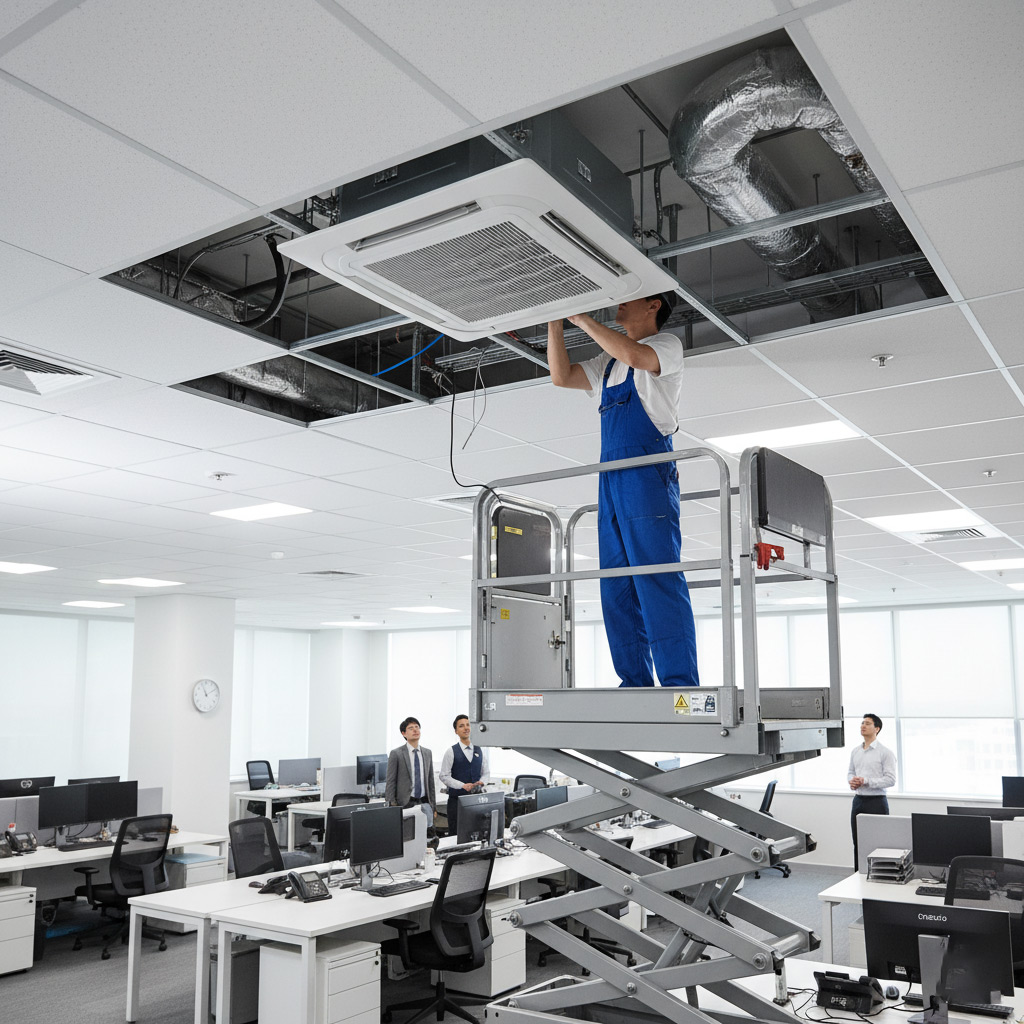
You think a new boiler is just a $5,000 line item? Think again – the real price tag hides in places most homeowners never look.
From surprise permit fees and the need to replace aging pipework, to costly disposal of the old unit and unexpected labor spikes, every step can add up fast. Even the “simple” hookup can turn into a budget‑busting nightmare if you’re not prepared.
Ready to see exactly where those hidden dollars creep in and how to keep them out of your pocket? Keep reading and you’ll learn the tricks pros use to protect their bottom line.
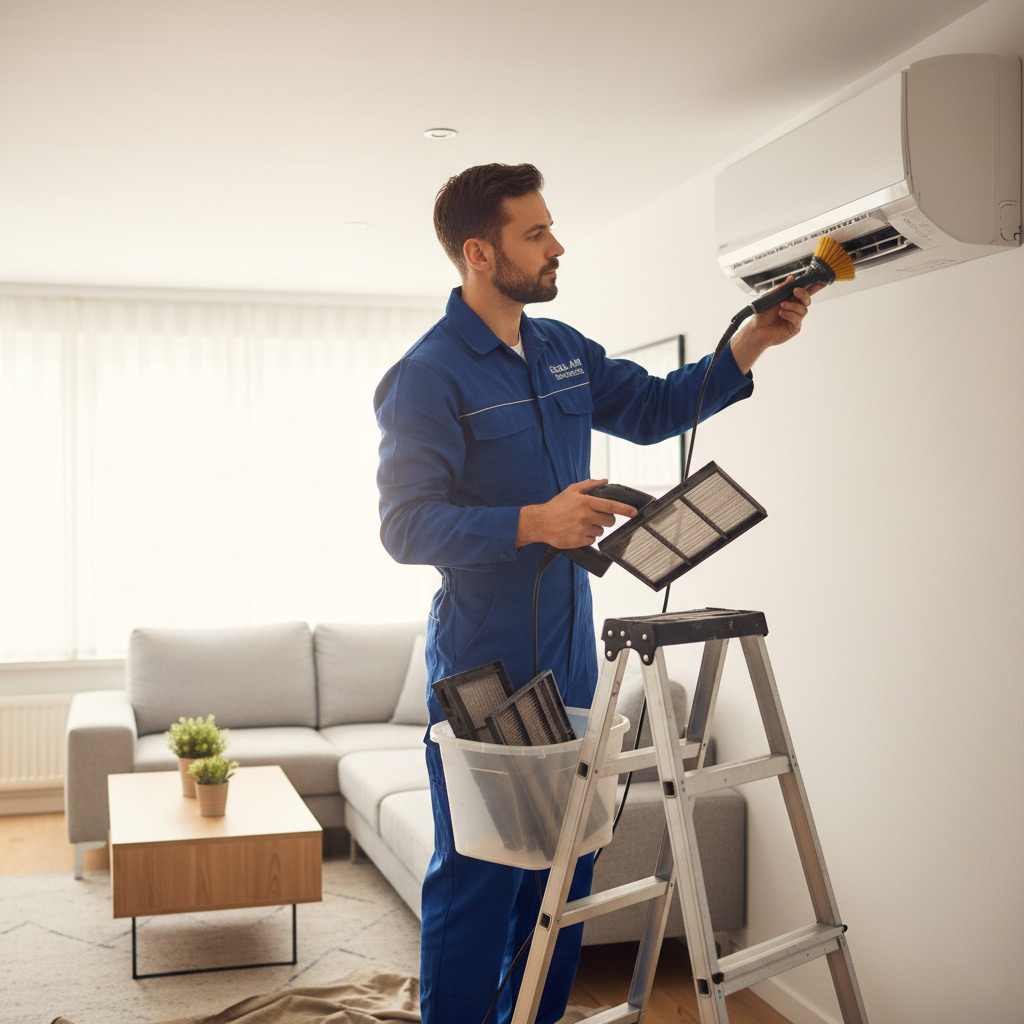
The Full Cost Breakdown: Beyond the Base Price
Most homeowners stare at the headline price—say $5,000—and think the job’s done. The truth is that the base price is just the tip of the iceberg, and every hidden layer can shave hundreds or even thousands off your budget if you’re not watching.
What’s really in the bill?
- Equipment markup: The boiler itself, plus any high‑efficiency add‑ons.
- Delivery & handling: Truck fees, lift‑gate service, and staging.
- Connector kits: Valves, thermostats, and control boards that aren’t standard.
- Warranty extensions: Optional, but many pros push them as “must‑haves.”
When you add those line items together, the “$5,000” can balloon to $6,200 or more before you even think about labor. Knowing each piece lets you ask the right questions and cut out the fluff.
Permit Fees, Inspections, and Local Code Requirements in Grand Rapids
What the City Wants
Grand Rapids doesn’t hand out boiler permits on a silver platter. The city charges a base permit fee, then adds a per‑day surcharge if the job drags on. Missing a single signature can add $150‑$300 to your bill.
Typical line items you’ll see on the invoice:
- Building permit: $120‑$250
- Mechanical permit: $80‑$180
- Plan review fee: $50‑$100 per drawing
Inspection Pitfalls
Once the boiler is in place, a city inspector swings by. They’ll check clearances, venting, and the pressure relief valve. If anything is out of spec, you’ll pay for a re‑inspection and possibly a correction.
Common surprise costs:
- Re‑inspection fee: $75‑$125
- Additional venting work: $200‑$500
- Amended drawings: $100‑$250
Smart Moves
Don’t let the paperwork bite you. Ask your installer for a copy of the local code checklist before they start. That way you can spot a required pipe size or clearance that would otherwise become a last‑minute add‑on.
Pro tip: schedule the permit and inspection dates early in the project timeline. It saves you from overtime labor charges when the crew has to wait for a green light.
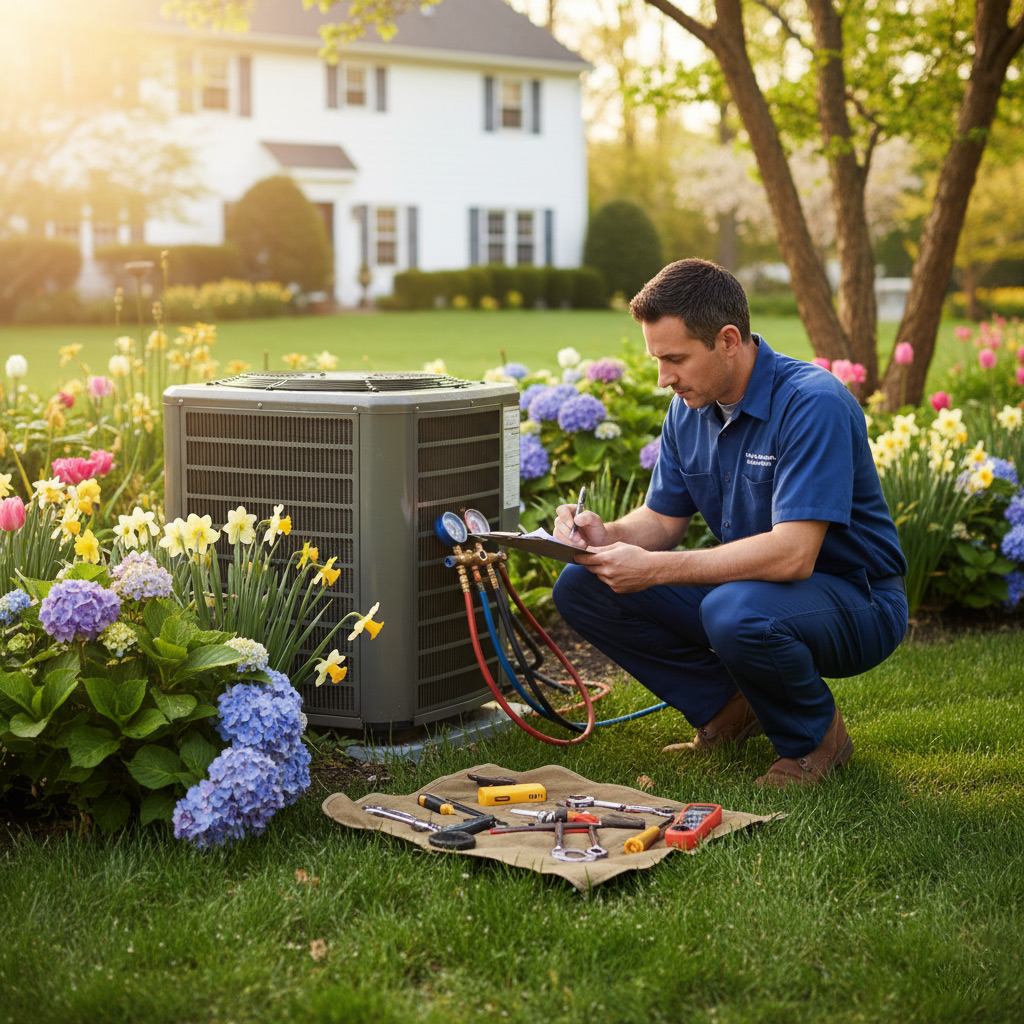
Upgrading or Replacing Existing Piping and Ventilation Systems
Why Old Pipework Costs More Than You Think
Most Grand Rapids homes were built with galvanized steel or copper that has been corroded by decades of water flow. Leaky joints and rusted sections can turn a simple boiler hookup into a full‑blown plumbing overhaul.
When the pipeage is out of whack, you’ll see extra line items such as:
- Sectional pipe replacement – $1,200‑$2,500 per run
- Thread‑seal compounds and fittings – $150‑$300
- Additional shut‑off valves for safety – $80‑$200 each
Ventilation: The Silent Money‑Sucker
Modern high‑efficiency boilers demand a vent system that can handle lower exhaust temperatures. If your home still uses a traditional chimney, you’ll need a condensing‑compatible vent.
Typical upgrades include:
- Stainless‑steel vent pipe – $500‑$1,000 per linear foot
- Wall or roof flashings – $200‑$400 each
- Carbon monoxide detectors – $50‑$120 per unit
Smart Moves to Trim the Bill
Don’t assume every pipe must be ripped out. A qualified HVAC tech can often re‑use existing runs with a few strategic fittings, saving you hundreds.
Ask for a detailed scope before the crew arrives. Knowing exactly which sections need replacement lets you budget precisely and avoid surprise invoices.
Disposal, Recycling, and Environmental Fees for the Old Boiler
What the City Charges
Grand Rapids requires a disposal permit for every boiler you pull out. The fee isn’t optional – it covers landfill space and hazardous‑waste handling.
Typical line items look like this:
- Disposal permit: $120‑$180
- Landfill tipping fee: $75‑$130 per ton
- Hazardous material surcharge (if asbestos insulation is present): $200‑$350
Turning Trash into Cash
Many modern boilers are made of recyclable steel and copper. Don’t let the scrap value slip away. A reputable installer will separate the metals before the dump.
Potential credits:
- Steel scrap: $0.10‑$0.15 per pound
- Copper tubing: $2.00‑$3.00 per pound
- Recycling rebate from the manufacturer: up to $250
Why Professional Handling Saves You Money
Improper disposal can trigger fines that dwarf the original boiler price. One missed inspection can add $500‑$800 to your bill.
Hiring a licensed HVAC crew guarantees:
- Correct hazardous‑waste paperwork
- Certified transport to an approved recycling center
- Proof of compliance for your homeowner’s insurance

Labor Surprises: Overtime, Access Issues, and Unexpected Repairs
Overtime charges that eat your budget
When a crew hits a snag after hours, the clock keeps ticking. Every extra hour can add $100‑$150 per worker, and a single night shift can push a $5,000 install into the $6,000 range. The trick? Schedule the job for daylight and lock in a “no‑overtime” clause before the first wrench turns.
Access problems that stall the job
Basements with low ceilings, cramped crawl spaces, or a furnace tucked behind a wall of stored boxes are a nightmare. Technicians need room to move, lift, and align the new boiler. If they have to dismantle shelving or cut a new access panel, you’re looking at an extra $300‑$500 line item.
Unexpected repairs that pop up mid‑install
Old pipework often hides corrosion, and a cracked vent pipe can’t be ignored. When the pros discover these hidden defects, they must replace or reinforce the system on the spot. Typical surprise costs include:
- Pipe replacement: $400‑$800 per section
- Vent upgrades: $250‑$600
- Electrical rewiring: $150‑$350
Ask your installer for a “contingency cap” – a maximum amount they won’t exceed without your sign‑off. That way, a surprise stays a surprise, not a bill shock.
Case Study: A Grand Rapids Homeowner’s $2,800 Savings Through Strategic Planning
Background
When the Miller family decided to replace their 15‑year‑old boiler, the estimate they received was $7,200. That number felt steep, but they weren’t ready to walk away.
Instead, they sat down with a local HVAC specialist who mapped out every hidden cost before any work began. The goal? Find the cheap‑shot fixes that could be avoided.
Strategic Moves That Cut the Bill
Three simple actions shaved $2,800 off the final invoice:
- Pre‑approval of permits – they applied for the city permit themselves, saving the contractor’s $150 filing fee.
- Reuse of existing vent pipe – a quick inspection proved the old vent met code, eliminating a $600 replacement charge.
- Off‑peak scheduling – the installation was moved to a Thursday afternoon, avoiding a $250 overtime premium.
Each step required a few extra minutes of research, but the payoff was immediate.
Result and Takeaway
The Miller’s final bill landed at $4,400, exactly $2,800 less than the original quote. They learned that asking the right questions—who pays for permits, can existing parts be reused, and when is the cheapest time to work—can turn a budget nightmare into a manageable project.
For any Grand Rapids homeowner, the lesson is clear: a little planning equals big savings.
Final Words
Before you sign any contract, pull the paperwork into one folder. Every quote, permit, and warranty belongs there. When the installer asks for a “quick decision,” you’ll have the facts to push back without feeling guilty.
Quick Action Checklist
- Verify the contractor’s license and insurance – a quick phone call can save you a nightmare.
- Ask for a line‑item estimate that separates equipment, labor, permits, and disposal.
- Confirm the Boiler Installation crew will handle any required pipe upgrades before the boiler arrives.
- Schedule a pre‑install walk‑through to spot access issues that could trigger overtime.
When you’re ready to move forward, choose a local pro who knows Grand Rapids code like the back of their hand. A seasoned installer will flag hidden fees early, keep the project on schedule, and make sure the new boiler runs efficiently from day one.
People Also Ask
What hidden fees should I expect when installing a new boiler in Grand Rapids?
You may encounter permit fees, inspection costs, and local code compliance charges that are not included in the base price. Additionally, there can be fees for disposing of the old boiler and recycling hazardous materials.How do piping and ventilation upgrades affect the overall cost?
If your existing piping or venting does not meet the new boiler’s specifications, you’ll need to upgrade or replace them, which can add several hundred to a few thousand dollars to the project. Proper sizing and material selection are crucial to avoid costly re‑work later.Can labor costs increase unexpectedly during boiler installation?
Yes, labor can rise due to overtime, difficult access points, or unforeseen repairs such as corroded pipe sections. Contractors often charge higher rates for work performed after regular business hours or on weekends.Do I need to budget for environmental or disposal fees?
Grand Rapids requires proper disposal of old boilers, which may involve hazardous waste handling and recycling fees. These charges are typically billed separately from the installation estimate.How can homeowners save money on boiler installation?
Strategic planning—like scheduling inspections early, consolidating permits, and choosing energy‑efficient models—can reduce hidden costs. A well‑coordinated approach helped a Grand Rapids homeowner save roughly $2,800 on their project.
Grand Rapids HVAC brings over 20 years of heating and cooling expertise to homes and businesses throughout Grand Rapids, MI. Their certified technicians specialize in energy‑efficient installations, preventative maintenance, and rapid repairs, ensuring comfort year‑round for the local community.
Need HVAC?
We deliver rapid, results‑focused services to homes and businesses throughout Grand Rapids, MI (49503, 49504, 49507, 49512, 49534) and neighboring areas, ensuring projects are completed on schedule and to specification. Our streamlined process keeps downtime low and outcomes high.
Get HVAC Estimate