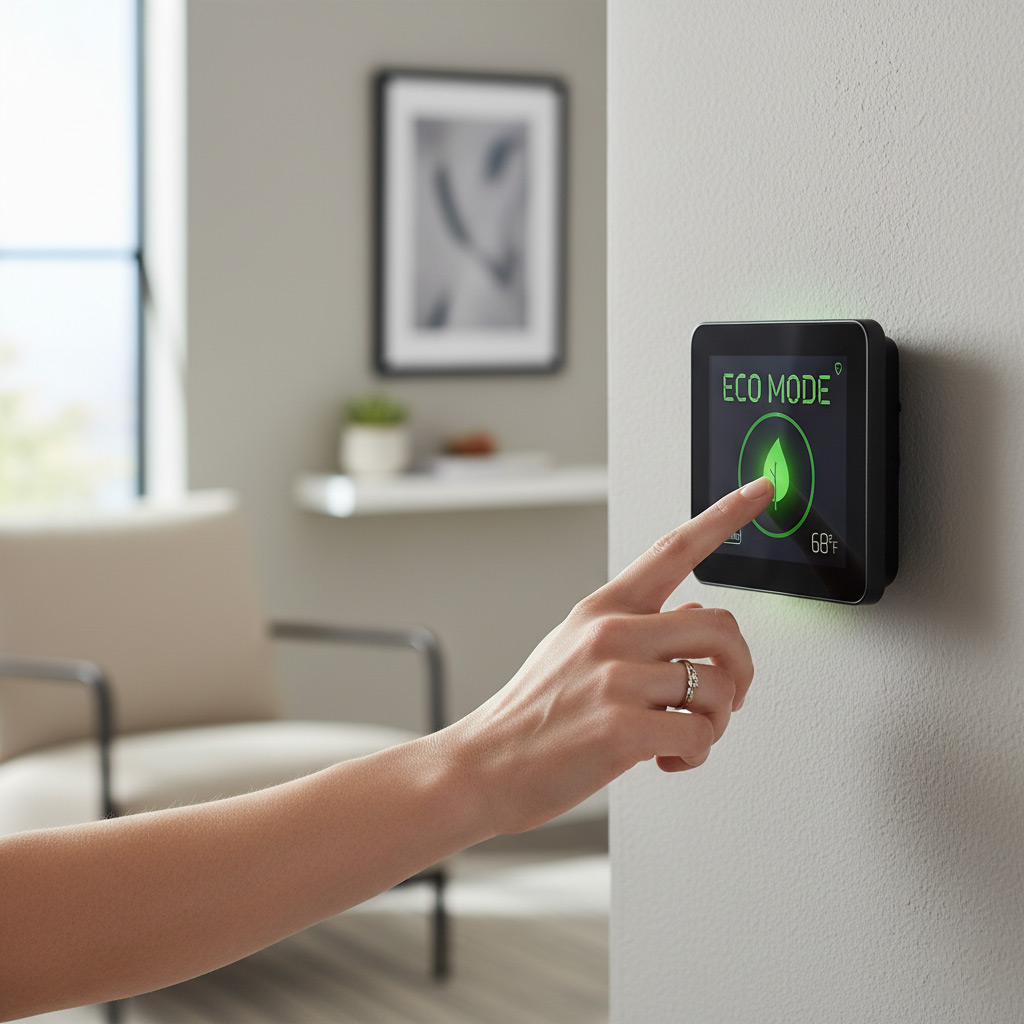
If you think a quick DIY fix will save you cash on your furnace, think again. One wrong move and you could be staring at a cold house and a bill that makes your wallet shiver.
Skipping the yearly tune‑up is a classic trap. A dusty filter or a loose belt can turn a modest repair into a full‑blown replacement, and most homeowners don’t realize the cost until it’s too late.
Hiring the cheapest “handyman” might feel smart, but cheap labor often means shortcuts, sub‑par parts, and a warranty that disappears faster than the heat on a winter night.
Now that you’ve seen the common slip‑ups, let’s walk through the exact steps to keep your furnace humming all winter long.
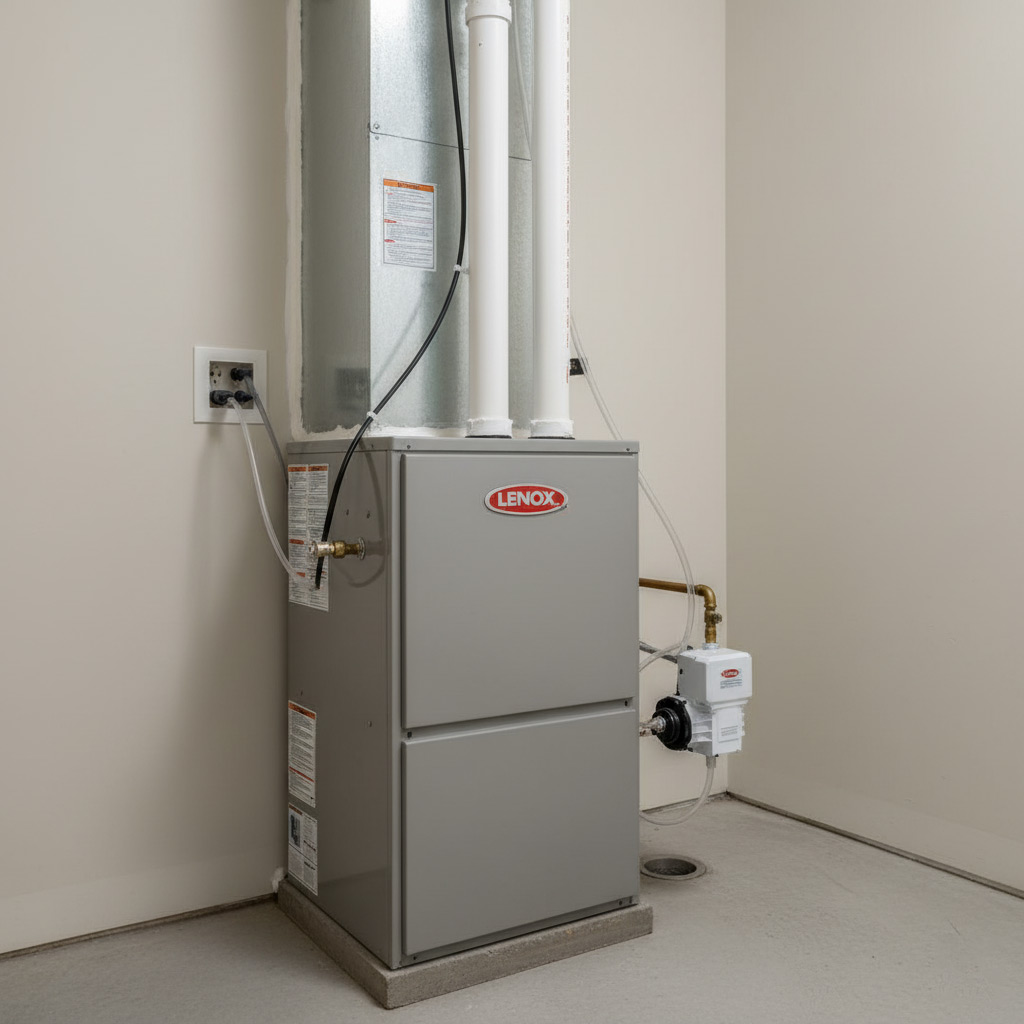
Common Furnace Repair Mistakes Homeowners Make
Most folks think a quick glance at the thermostat is enough to keep the furnace humming. That’s a dangerous shortcut. Ignoring the little signs—like a rattling sound or uneven heat—means you’re betting on luck instead of logic.
Skipping the Filter Change
A clogged filter is the silent assassin of furnace efficiency. When airflow is restricted, the motor works harder, the heat exchanger overheats, and you’re staring at a costly shutdown. Replace that filter every 1‑3 months and you’ll dodge a big repair bill.
Playing “Fix‑It‑Yourself” Without a Plan
Grabbing a wrench and pulling the furnace apart sounds heroic, but most DIY attempts end with a blown capacitor or a cracked heat exchanger. Without proper tools and wiring knowledge, you’re likely to cause more damage than you fix.
- Never tamper with the gas line—one slip can turn a repair into a safety nightmare.
- Don’t guess at electrical connections; a miswired component can fry the entire system.
- Avoid using generic parts; they often don’t meet the manufacturer’s specs and wear out fast.
Bottom line: the cheapest fix today can become the most expensive problem tomorrow. Trust the process, not the impulse.
Why Annual Tune‑Ups Are Non‑Negotiable in Grand Rapids
Grand Rapids winters aren’t a joke—sub‑zero temps hit hard, and a furnace that’s been ignored will quit faster than a cheap heater on a cold night. An annual tune‑up catches the little things before they become big, money‑draining catastrophes.
What the pro actually does during a tune‑up
- Inspect the heat exchanger for cracks that could leak carbon monoxide.
- Clean the blower motor and fan blades so air flows like it should.
- Test safety controls and calibrate the thermostat for accurate temperature.
- Check gas pressure and connections—no leaks, no danger.
- Replace or clean filters, ensuring the system isn’t choking on dust.
Skipping this service means you’re gambling with hidden wear. A clogged filter can force the furnace to work 30% harder, spiking your energy bill and shortening the unit’s life.
When you schedule a yearly check, most reputable contractors throw in a warranty extension or a discount on future parts. That’s a real‑world ROI you won’t get from a “handyman” who just slaps a new belt on and walks away.
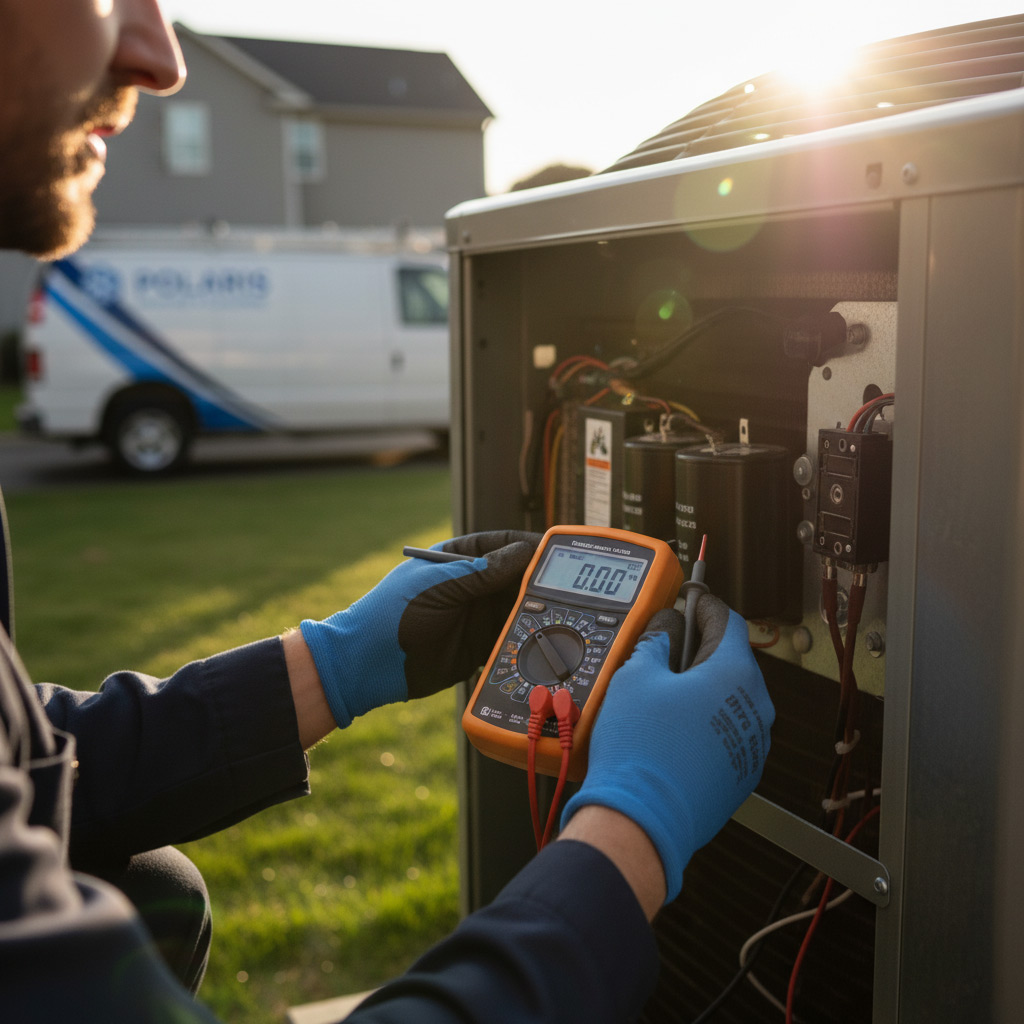
DIY Repairs to Avoid: Safety and Cost Risks
Electrical Hazards
Messing with the furnace’s wiring can turn a simple fix into a house‑wide shock hazard. Turn off the breaker and wait at least five minutes before you even think about opening the panel.
Even a brief slip can fry the control board, forcing a full replacement. One spark is all it takes to burn out a $1,200 component.
- Never bypass safety switches.
- Don’t use metal tools near live wires.
- Leave capacitor discharge to a certified tech.
Costly Mistakes
Buying a “universal” part from a discount site often means you’re getting a cheap knock‑off that fails in weeks. OEM parts may cost more upfront, but they keep the warranty intact.
Attempting a DIY seal‑ant replacement can crack the heat exchanger, leading to a $3,000 repair bill. Short‑term savings quickly become a financial nightmare.
- Check the part number before you order.
- Verify the return policy—some “discount” parts are non‑returnable.
- Ask the supplier for a warranty sheet.
When to Call the Pros
If the furnace won’t ignite after you’ve checked the thermostat, it’s time to stop guessing. A licensed HVAC contractor can run a combustion analysis in minutes.
Professional service includes a written estimate, so you know exactly what you’re paying for. No surprise fees means you can budget for the season with confidence.
- Look for NATE‑certified technicians.
- Ask for a detailed work order before any work begins.
- Confirm they carry the right insurance.
Selecting a Qualified HVAC Contractor vs. a Handyman
Credentials that matter
In Grand Rapids, a licensed HVAC contractor carries a state‑issued HVAC license and must pass annual competency exams. A handyman may have handy skills, but without that license you’re betting on guesswork.
Ask for the contractor’s proof of insurance and a copy of their bond. Those documents protect you if a pipe bursts or a component is damaged during the repair.
Warranty and parts quality
Professional HVAC firms back their work with a written warranty that covers labor and parts for at least one year. Handymen often rely on “cash‑only” deals, leaving you with no recourse when a cheap part fails.
- OEM (Original Equipment Manufacturer) parts vs. generic knock‑offs.
- Service contracts that include annual tune‑ups.
- Clear, itemized estimates that separate labor from material costs.
How to vet a contractor
Start with the Better Business Bureau and local reviews on Google or Angie's List. A reputable contractor will have a trail of satisfied customers and a response rate to complaints.
Get at least three written quotes, then compare them side‑by‑side. The lowest price isn’t always the best—look for transparency, detailed scope of work, and a timeline you can trust.
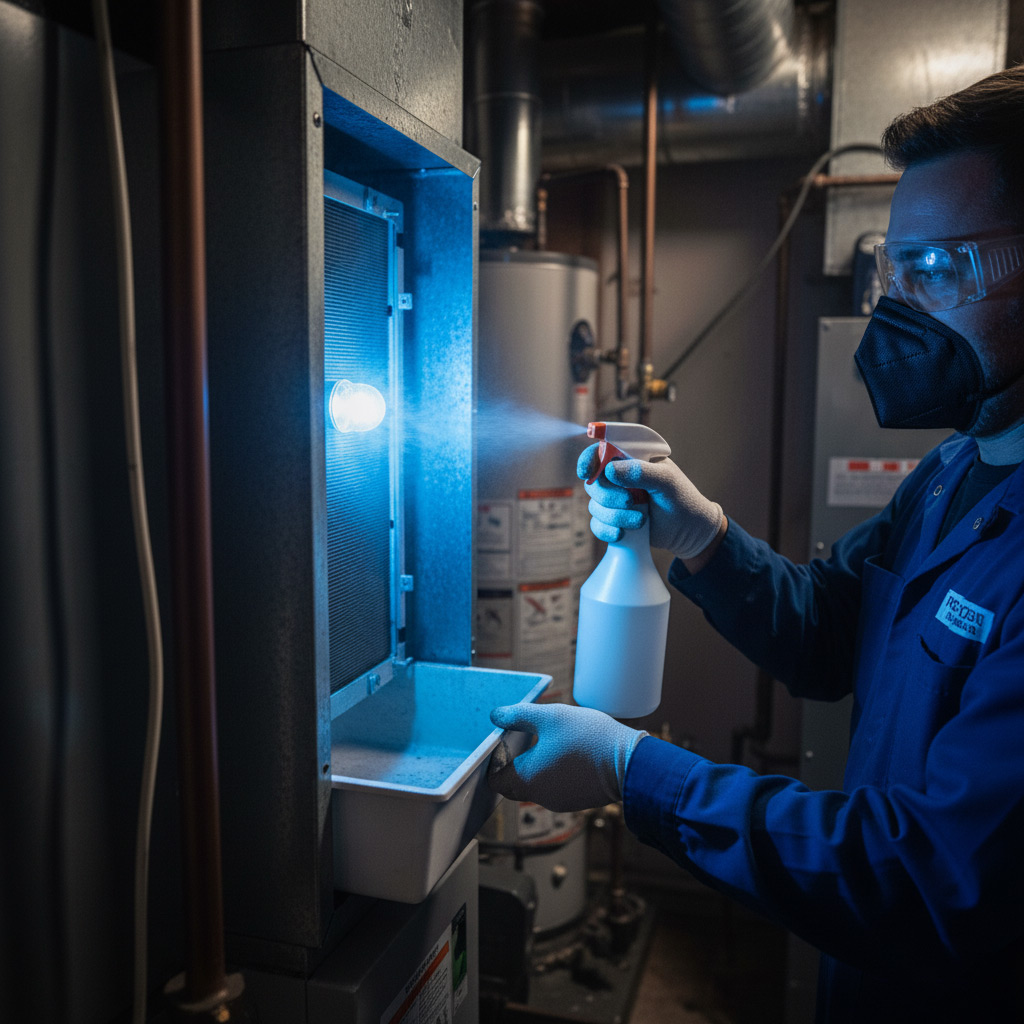
Identifying Low‑Quality Parts and Hidden Fees
Spot the cheap‑o substitutes before they bite
When a contractor pulls out a “generic” heat exchanger, it’s usually a red flag. Original Equipment Manufacturer (OEM) parts cost more, but they last longer and keep your warranty intact.
Look for tell‑tale signs: mismatched serial numbers, plastic housings on metal components, or a price that feels too good to be true. Those shortcuts are the reason your furnace quits early.
Hidden fees: the silent wallet drain
Some firms quote a low labor rate, then slap on “service call,” “diagnostic,” and “disposal” fees that add up fast. Ask for a *breakdown* before they start – a transparent estimate should list every charge.
Watch out for “parts markup” clauses. If the markup exceeds 30 % of the part’s retail price, you’re probably being overcharged. Ask for the part’s part number and compare it online.
Checklist for a clean deal
- Verify the part’s brand and model number.
- Request a written estimate that separates labor, parts, and fees.
- Insist on a warranty that covers both labor and the component.
- Ask if the contractor uses a “price‑match” policy for OEM parts.
Case Study: Successful Furnace Rescue in a Grand Rapids Home
The Problem
When the Miller family noticed a rattling noise and a sudden drop in heat, they assumed a cheap fix would do. They called a handyman who swapped a belt and left the job half‑done.
Within 48 hours the furnace shut down completely, leaving the house at below‑freezing temperatures. The Miller’s panic turned into a frantic search for a real solution.
The Solution
We arrived, ran a quick diagnostic, and discovered three critical issues:
- Cracked heat exchanger – a safety hazard.
- Clogged blower motor – caused the rattling.
- Worn ignitor – prevented ignition.
Instead of a band‑aid, we replaced the heat exchanger, cleaned the blower, and installed a new ignitor. All parts were OEM, backed by a 5‑year warranty.
The Outcome
Within an hour the furnace roared back to life, delivering steady 70‑degree comfort. The Miller’s energy bill stayed normal because the system ran efficiently.
They saved over $1,200 by avoiding a full replacement and learned why a qualified HVAC contractor is worth every penny.
Final Words
When winter rolls in, you don’t have time to play detective with your furnace. Schedule that service appointment now and lock in a date before the first freeze hits Grand Rapids.
Three quick actions to lock down heat
- Swap the filter every 30 days – a clean filter is the cheapest insurance policy.
- Check the thermostat batteries and settings before the cold snap.
- Keep the service contract handy; it’s your ticket to priority repairs.
Remember, a reputable Furnace Repair pro brings the right parts, the right warranty, and the peace of mind that a handyman simply can’t match. Choose wisely, and your furnace will keep humming all season long.
People Also Ask
What are the most common furnace repair mistakes homeowners in Grand Rapids make?
Homeowners often ignore regular maintenance, attempt DIY fixes without proper knowledge, and use cheap, incompatible replacement parts. These errors can lead to higher repair costs and unsafe operation.Why is an annual furnace tune‑up essential in Grand Rapids?
A yearly tune‑up ensures the furnace runs efficiently in the harsh Michigan climate, catches minor issues before they become major failures, and helps maintain warranty coverage.Which DIY furnace repairs should I avoid?
Never attempt to replace the heat exchanger, work on gas lines, or bypass safety controls. These tasks pose serious safety hazards and can result in costly damage if done incorrectly.How can I tell if a contractor is a qualified HVAC professional or just a handyman?
A qualified HVAC contractor holds proper licensing, insurance, and certifications such as NATE, and provides detailed estimates. Handymen typically lack these credentials and may not follow industry standards.What red flags indicate low‑quality furnace parts or hidden fees?
Watch for generic, unbranded parts, unusually low prices, and vague pricing structures. Reputable companies will disclose all costs upfront and use OEM or high‑quality aftermarket components.
Grand Rapids HVAC brings over 20 years of heating and cooling expertise to homes and businesses throughout Grand Rapids, MI. Their certified technicians specialize in energy‑efficient installations, preventative maintenance, and rapid repairs, ensuring comfort year‑round for the local community.
Need HVAC?
We deliver rapid, results‑focused services to homes and businesses throughout Grand Rapids, MI (49503, 49504, 49507, 49512, 49534) and neighboring areas, ensuring projects are completed on schedule and to specification. Our streamlined process keeps downtime low and outcomes high.
Get HVAC Estimate